
How Technology Can Make Learning More Effective
For many years, classrooms looked almost the same everywhere, rows of desks, a blackboard, and a teacher explaining lessons while students listened.
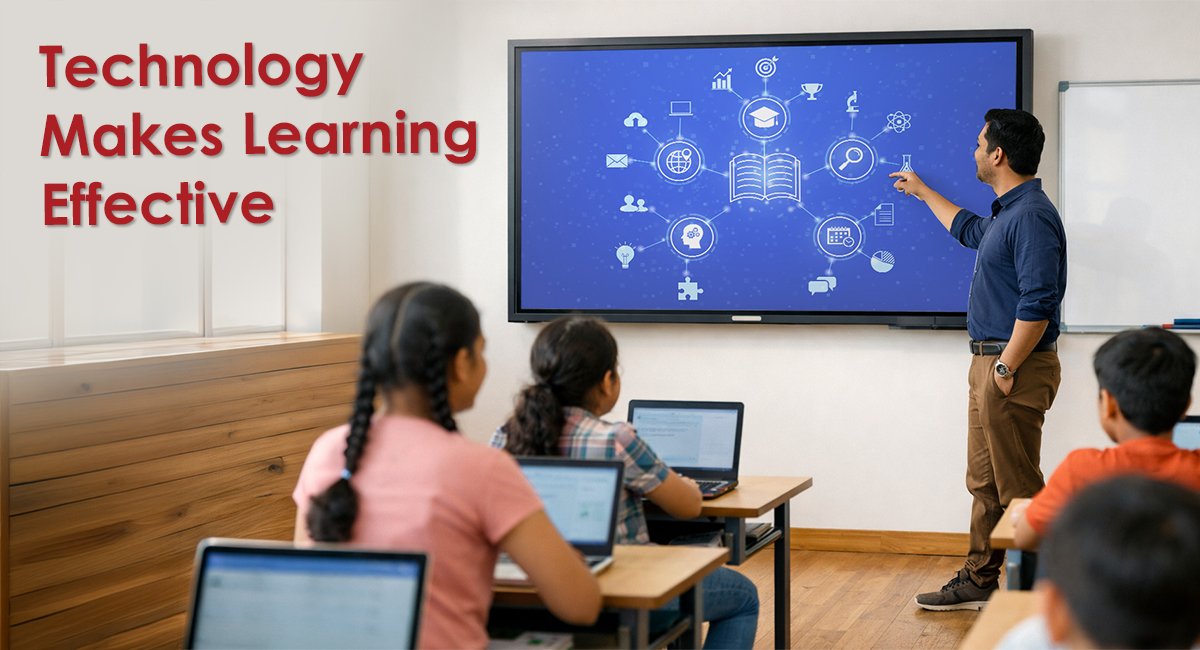
Today, however, classrooms are evolving. Technology is transforming how information is shared, how students interact with ideas, and how teachers support different learning styles. Over time, new ideas, tools, and teaching approaches have transformed the way students learn and the way teachers share knowledge. One of the most significant changes in recent years has been the growing use of technology in education.
Modern classrooms are gradually adapting to these changes by integrating digital tools and technology-driven teaching methods. Through interactive platforms, multimedia resources, and digital learning systems, teachers can present concepts in ways that are more engaging and easier to understand.
Understanding the Role of Technology in Education
In modern classrooms, technology in learning helps create environments where students can explore ideas, collaborate with others, and learn at their own pace. Instead of relying only on textbooks and lectures, teachers can use videos, interactive presentations, simulations, and educational games to explain concepts. This allows students to see, hear, and interact with ideas rather than simply reading about them.
Technology also helps teachers organize lessons, monitor student progress, and provide timely feedback. Many digital platforms allow educators to track how students are performing and identify areas where they may need extra support.
It is important to remember that technology does not replace teachers. Educators remain at the heart of the learning process. Their guidance, experience, and understanding of students are essential for meaningful education. Technology simply acts as a powerful tool that helps teachers enhance their teaching methods and create richer learning experiences.
Why Technology Is Important for Modern Learning Environments
Traditional teaching methods have served education well for many years. However, the learning styles and expectations of students today are different from those of previous generations
Modern learners are used to interactive and visually rich content. They often learn better when they can explore concepts through videos, simulations, and hands-on activities rather than only listening to lectures. This is where technology in learning becomes especially valuable. Digital tools make it easier for teachers to create lessons that capture students’ attention and encourage active participation. Instead of simply receiving information, students can interact with content and explore ideas in more meaningful ways.
Technology also provides flexibility in learning. Students can access educational materials anytime and revisit lessons whenever they need clarification. This helps learners progress at their own pace and build stronger understanding over time.
How Technology Improves Student Engagement and Participation
Ask most teachers what their biggest challenge is and they won’t say ‘curriculum’. They’ll say ‘getting students to actually pay attention’.
This is where interactive technology earns its keep. When a student can manipulate a 3D model of the human heart instead of staring at a diagram in a textbook, something clicks. When a history class can “walk through” a virtual recreation of ancient Rome, it stops feeling abstract. When a quiz feels like a game with a leaderboard, students who normally zone out start competing.
None of this is about making school ‘fun’ for its own sake. It’s about the fact that people learn better when they’re engaged. So, one of the biggest advantages of using technology in classrooms is that it helps students stay engaged. When students see videos, animations, or real-life demonstrations of concepts, they are more likely to stay curious and involved. Technology also allows teachers to include interactive activities such as quizzes, polls, and group discussions that encourage students to participate actively.
Engaged students tend to understand concepts better and remember them for longer periods. By making lessons more interactive, technology helps create a classroom environment where students feel motivated to learn.
Interactive and Multimedia-Based Learning
Multimedia learning uses a combination of text, visuals, audio, and animations to explain ideas. This approach is especially helpful when dealing with complex concepts.
For example, instead of reading about a scientific process in a textbook, students can watch an animated video that shows how it works step by step. Similarly, historical events can be presented through documentaries or interactive timelines
These visual and interactive elements help students understand ideas more clearly and remember them more easily. This is why multimedia content plays an important role in supporting effective learning with technology.
Gamification and Learning Apps
Another interesting way technology supports learning is through gamification. Gamification means using elements from games such as points, levels, and rewards in educational activities
Many learning apps use quizzes, puzzles, and challenges to help students practice concepts while having fun. These game-like elements encourage students to stay engaged and motivated.
Gamification in education also promotes curiosity and persistence. Students feel encouraged to keep improving as they move to higher levels or achieve rewards. When used correctly, these tools make learning both enjoyable and meaningful.
Personalised Learning Through Technology
Educators have been talking about differentiated instruction, tailoring teaching to individual students for decades. The problem was always scale. You can’t give 30 students 30 different lesson plans.
Adaptive learning platforms are starting to crack this problem. These systems adjust in real time based on how a student is performing. Get three questions right in a row? The platform moves you forward. Struggle with the same concept twice? It slows down, reframes the explanation, tries a different approach. It’s the kind of personalised feedback that used to require a one-on-one tutor, available to every student in the class.
This matters most for the students at the edges, the ones who are bored because they’re ahead, and the ones who are lost because they fell behind somewhere and never caught up. Both groups tend to get overlooked in a traditional classroom. Technology makes it harder to ignore them.
Adaptive Learning Platforms
Adaptive learning platforms are advanced digital learning tools that adjust content according to a student’s performance. If a student struggles with a concept, the platform may provide simpler explanations or extra practice questions. On the other hand, if a student performs well, the system may introduce more advanced material.
This approach allows students to move forward only after they have mastered the basics, which helps build a strong foundation for future learning.
Data-Driven Insights for Teachers
Technology also provides valuable information that helps teachers understand how students are learning. Many digital platforms collect data about student participation, progress, and performance.
Teachers can use this information to identify learning gaps and adjust their teaching strategies. For example, if several students struggle with the same concept, the teacher can revisit the topic and explain it in a different way. This data-driven approach allows educators to provide more targeted support and improve the overall learning experience.
Role of Digital Learning Tools in Effective Education
Digital learning tools are an essential part of modern education. These tools include educational apps, online learning platforms, virtual classrooms, and assessment software.
Teachers use these tools to create interactive lessons, assign homework, conduct quizzes, and communicate with students. Students can also access learning materials, submit assignments, and collaborate with classmates through these platforms. Digital learning tools also support remote learning, making it possible for students to continue their education even when they are not physically present in school.
Online Learning Platforms and Learning Management Systems
Learning Management Systems (LMS) help teachers organize course materials, assignments, and assessments in one place. Students can log into the platform to access lessons, track their progress, and communicate with teachers. This makes the learning process more organized and ensures that students always have access to important resources
Collaboration and Communication Tools
Technology also encourages collaboration among students. Tools such as shared documents, discussion boards, and video conferencing platforms allow students to work together on projects and exchange ideas.
These tools promote teamwork and help students learn from one another. They also make it easier for teachers to stay connected with students outside classroom hours.
Smart Classrooms and Technology-Enabled Infrastructure
Smart classrooms combine traditional teaching with modern digital technology. These classrooms are equipped with tools such as smart boards, projectors, internet connectivity, and digital devices. Smart classrooms allow teachers to present lessons in more interactive ways and quickly access online resources during teaching
Use of Smart Boards and Connected Devices
Smart boards allow teachers to display digital content, draw diagrams, and interact with students in real time. Tablets and laptops help students participate in digital activities and access educational resources instantly. These tools make classroom demonstrations clearer and more engaging for learners.
Hybrid and Blended Learning Models
Technology also supports hybrid learning models where students combine in-person classes with online learning.
Blended learning allows students to review lessons, watch recorded lectures, and access additional resources whenever needed. This flexibility ensures that learning continues smoothly even when students cannot attend school physically.
How Technology Supports Skill Development Beyond Academics
Technology in learning helps students develop important life skills beyond academic knowledge
Students learn how to research information online, evaluate sources, collaborate with peers, and present their ideas using digital tools. These experiences build critical thinking, communication, creativity, and teamwork skills. Such skills are essential for success in modern workplaces and future careers.
Challenges of Using Technology in Learning and How to Address Them
While technology offers many advantages, it also comes with certain challenges. Too much screen time, distractions from non-educational content, and unequal access to devices are some common concerns.
Schools and educators must ensure that technology is used responsibly and in balance with traditional teaching methods. Clear guidelines, proper supervision, and thoughtful integration of technology can help address these issues.
Ensuring equal access to devices and internet connectivity is also important so that all students can benefit from digital learning opportunities
Role of Educators in Making Technology-Driven Learning Effective
Teachers play a crucial role in ensuring that technology supports meaningful learning.
Digital tools are only effective when they are used thoughtfully and aligned with learning objectives. Educators must choose appropriate technologies, guide students in using them responsibly, and design lessons that make the best use of these tools.
When pedagogy leads the process and technology acts as support, learning becomes both effective and engaging.
Future of Technology in Education
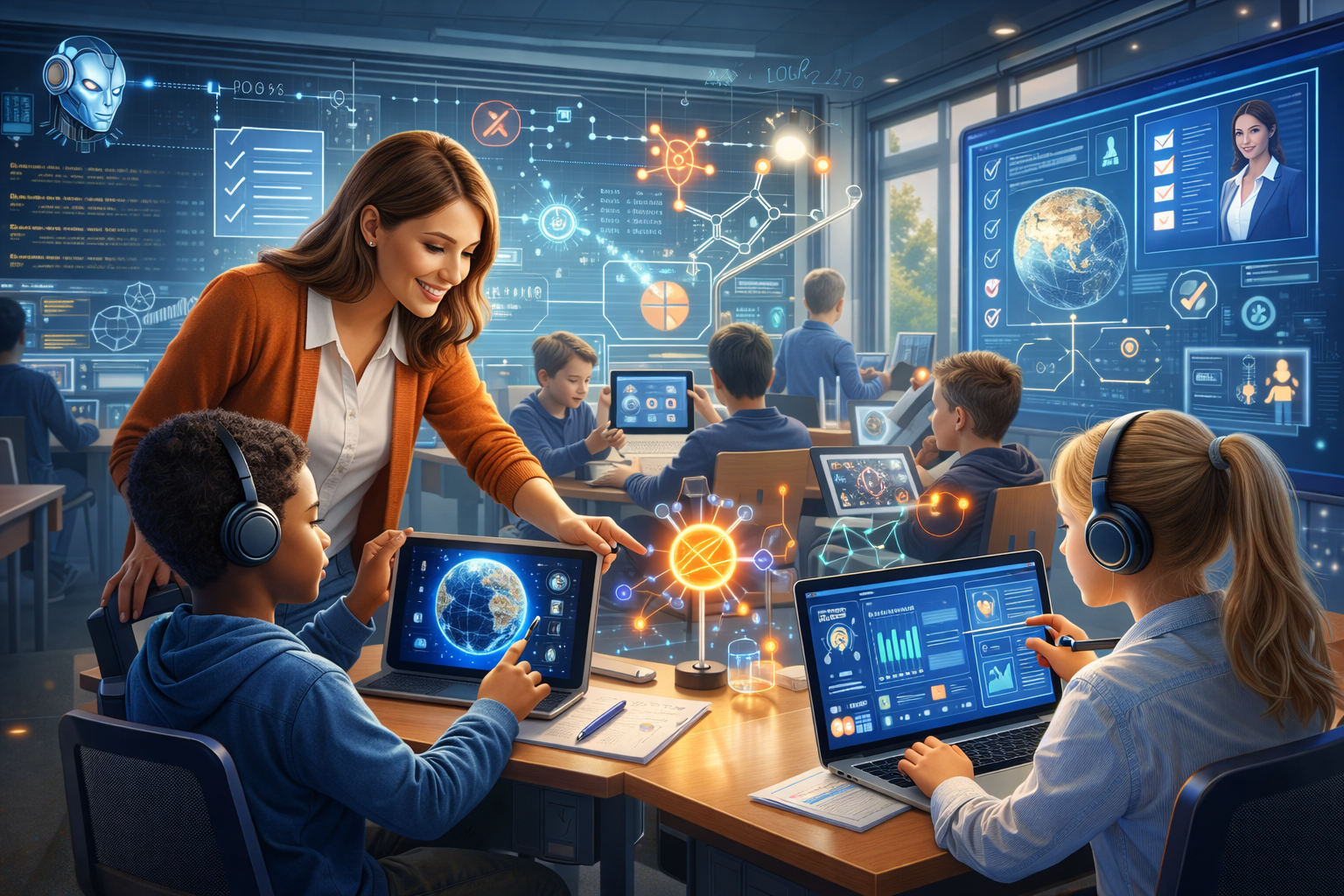
The future of education will continue to be shaped by new technological innovations. Tools such as artificial intelligence, virtual reality, and advanced learning analytics are already beginning to transform learning experiences.
These technologies have the potential to make education even more personalized, immersive, and accessible. Students may soon be able to explore virtual environments, conduct simulations, and receive real-time learning support through intelligent systems.
As these technologies develop, they will further strengthen effective learning with technology.
Also Read:
Building Responsible and Disciplined Individuals from School Years
Responsibility and discipline are not just school rules—they are essential life skills that shape confident and capable individuals. When students practise these values regularly, they gradually develop habits that support success in learning, relationships, and future responsibilities
Now it’s your turn—Teachers and Parents:
What steps have you taken to build responsibility in children?
Share simple examples from your classroom or home where children practised responsibility
