
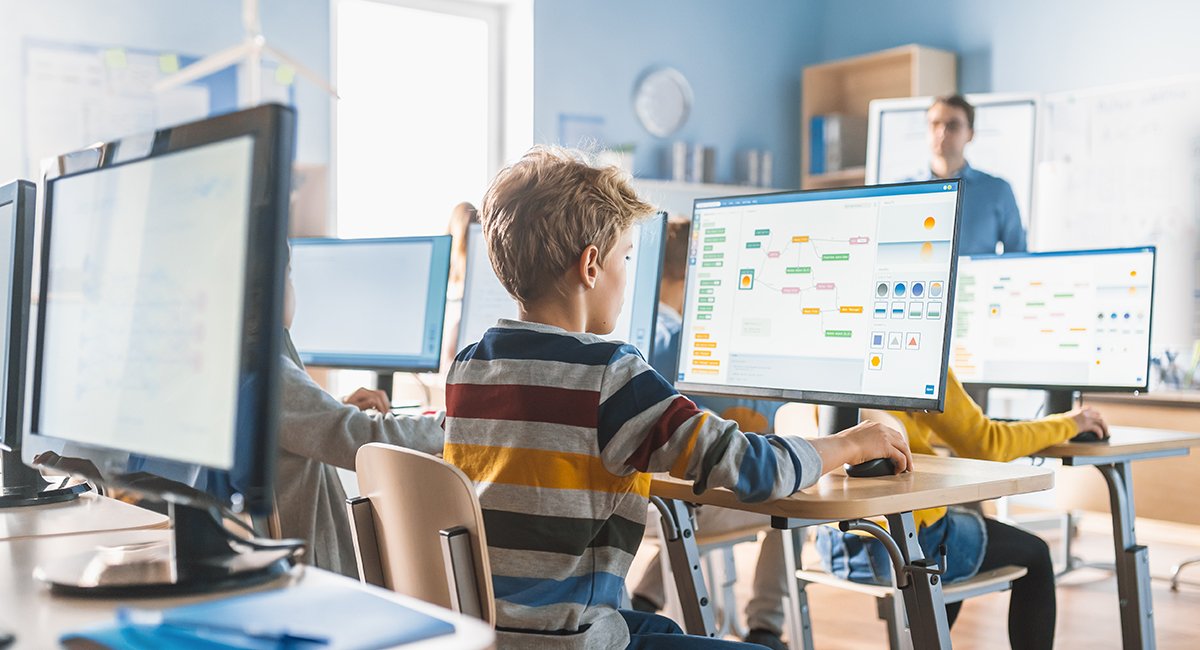
Importance of Coding for Students in Schools: Benefits, Skills and Future Scope
Have you ever wondered how traffic lights seem to ‘know’ when to change? Or how automatic doors in malls open exactly at the right moment? How do robotic arms in factories assemble products with such precision? And how does a smart vacuum cleaner move around your home without bumping into everything?
None of these machines think on their own. They follow a set of carefully written instructions. Behind every signal change, every sliding door, every precise robotic movement, and every automated cleaning path lies one powerful concept: coding
In a world driven by technology, learning to code is as important as learning to read and write. Coding for students is not only about creating software - it strengthens logical thinking, creativity, and problem-solving abilities that are useful in everyday life (Wing, 2006 ). The importance of coding lies in its power to prepare young minds for a digital future where technology influences every profession (World Economic Forum, 2020). This article explores the benefits of learning coding, the skills it develops, real-life applications, and the future scope of coding in education
What Is Coding and Why Is It Relevant for Students Today?
Coding tells a machine which actions to perform and how to complete tasks. Whether it’s building a game, creating a fun animation, or setting up a website, coding is the magic behind the scenes. Coding allows humans to communicate with these devices. Modern technology such as traffic lights, calculators, smart TVs, and cars use internal coding systems.
As more and more of our world runs on technology, understanding coding is like having a backstage pass to how things really work. Learning to code lets students move from simply using gadgets to actually shaping what they do. It’s a superpower that empowers kids to invent, solve problems, and stand out in our tech-filled world.
Key Benefits of Learning Coding for School Students
Coding helps students grow academically, pick up real-life skills, and get ready to face challenges inside and outside the classroom:
-
Enhances Logical Thinking and Problem-Solving
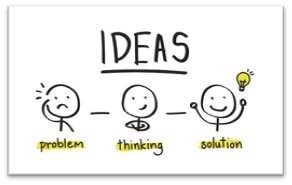
Coding teaches students to break complex problems into smaller, manageable steps. Activities like debugging and sequencing help them recognize patterns and think in an organized, logical manner (Grover & Pea, 2013). These abilities transfer to mathematics, science ,and everyday decision-making.
-
Builds Creativity and Innovation
Coding is like having a blank canvas, but instead of paint, students use code to bring their ideas to life. Whether they’re making a game or crafting a website, the sky’s the limit. This experimentation sparks creativity and encourages kids to take risks and think outside the box
-
Improves Academic Performance
Students who code often find themselves focusing better and thinking more analytically. The reasoning skills they pick up while coding help them tackle tricky math problems or science challenges, and can even boost their grades in STEM subjects
-
Develops Persistence and Resilience
Nobody gets their code right on the first try and that’s okay! Debugging teaches students to be patient and keep trying, even when things get tough. Every mistake is a chance to learn, making students more confident and resilient not just in coding, but in life
-
Strengthens Future Career Readiness
Knowing how to code is like having a golden ticket for future jobs. Whether you dream of building robots, protecting data, designing cool ads, or even working in healthcare, coding opens doors. The earlier students start, the more ready they’ll be for the careers of tomorrow
Essential Skills Students Gain Through Coding
Coding for students does much more than teach them how to use technology. It builds technical skills like logical thinking and problem-solving, while also strengthening soft skills such as creativity, patience, teamwork, and communication.
-
Strengthens Future Career Readiness
Students learn to approach problems logically and systematically, an approach known as computational thinking (Wing, 2006). This helps them understand how digital systems function and how to design efficient solutions (Grover & Pea, 2013).
-
Analytical and Critical Thinking
Coding requires comparing different solutions and evaluating outcomes. This strengthens a child’s ability to analyze information and make informed choices (Brennan & Resnick, 2012)
-
Communication and Collaboration
Group coding projects and school coding clubs encourage teamwork and peer learning (Resnick, 2017). Students learn to explain ideas clearly and collaborate to achieve shared goals
-
Digital Literacy
Through coding, students gain a deeper understanding of digital tools, online safety, and responsible technology use (UNESCO, 2019).
Why Early Coding Education Matters
Early coding education allows children to learn technology naturally, similar to learning a new language (Papert, 1980). When introduced at a young age, concepts such as logic and sequencing become intuitive (Resnick, 2017). It also nurtures creativity and confidence before academic pressure increases
-
Coding for Kids Builds Strong Foundations
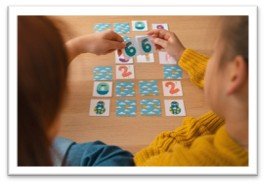
Interactive platforms, visual blocks, and puzzles help young learners grasp coding concepts playfully (Brennan & Resnick, 2012). Children learn faster through experimentation and hands-on activities.
-
Encourages Curiosity and Exploration
Coding gives children the freedom to test ideas without fear of failure, promoting curiosity and imagination (Papert, 1980).
Real-Life Applications of Coding for Students
Coding is all around students, even if they don’t always notice it. The smartphones they use, the educational apps that help them learn, the games they enjoy, and the AI tools they explore all work because of coding. (UNESCO, 2019). Understanding this technology helps students become informed and responsible users (Grover & Pea, 2013).
Simple Projects Students Can Do
Students can create basic animations, digital stories, calculators, quizzes, or simple websites (Resnick, 2017). These projects show how classroom knowledge connects to the real world.
Future Scope of Coding in Education
The future of learning is closely tied to artificial intelligence, robotics, automation, and virtual reality. As AI becomes more integrated into classrooms, understanding coding helps students better grasp how intelligent systems function. Schools that embrace AI in education are preparing students for a technology-driven world. The importance of coding will continue to grow as classrooms become more digital and interactive. Students with coding knowledge will have an advantage in STEM careers and innovative research fields (UNESCO, 2019).
How Schools Can Introduce Coding Effectively
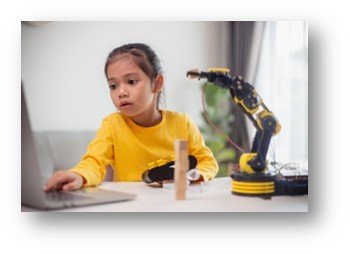
Schools can bring coding into everyday learning in simple and engaging ways. Setting up dedicated computer labs, using child-friendly visual programming tools like Scratch, introducing robotics kits, and designing structured coding lessons can make the experience meaningful and accessible (Brennan & Resnick, 2012)
Incorporating Coding Into Existing Subjects
Math problems can be solved using simple programs, science experiments can involve sensors, and art classes can include digital design (Grover & Pea, 2013).
Activity-Based Learning
Mini-projects and gamified challenges make learning coding more exciting and hands-on. When students create small projects or solve challenges in a game-like format, they don’t just memorize concepts — they actually experience them. This active involvement helps them understand ideas more clearly and remember them for a longer time. (Resnick, 2017).
Conclusion
Coding is no longer just a technical subject — it has become an essential life skill. When students learn to code, they don’t just learn how computers work; they develop creativity, logical thinking, resilience, and confidence. It prepares them for a future where technology plays a role in almost every career (World Economic Forum, 2020).
Encouraging students to learn coding helps them move beyond simply using technology to actually creating it. With the right support from schools and parents, children can build the skills they need to adapt, innovate, and succeed in a rapidly changing world (UNESCO, 2019)
