
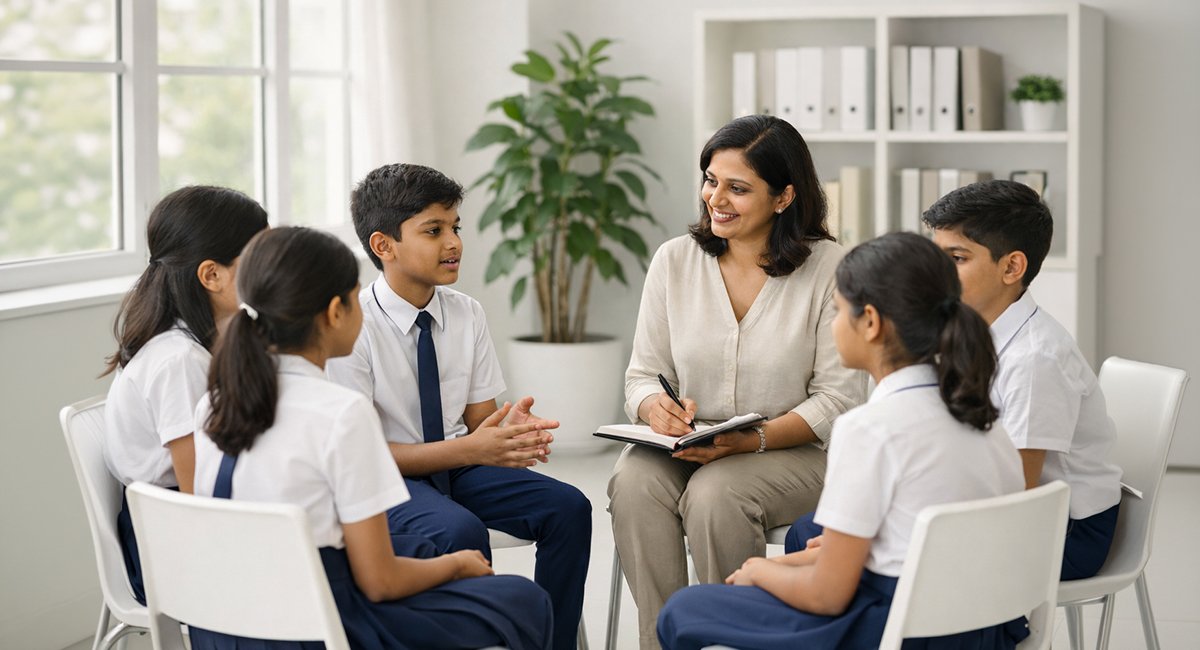
Why Communication Skills Are Important for School Students
Communication is one of the most essential life skills students develop during their school years. While it is often associated with speaking, communication actually includes listening, understanding, interpreting, and expressing ideas clearly and confidently. Strong communication skills for students influence how they learn, interact, and grow both academically and personally.
The importance of communication skills extends beyond the classroom. Students who can express their thoughts clearly, listen attentively, and engage meaningfully with others tend to perform better in academics, build stronger relationships, develop confidence, and prepare more effectively for future careers. Developing student communication skills early lays the foundation for lifelong success.
What Are Communication Skills for Students?
Communication skills for students refer to the ability to share ideas, thoughts, and feelings effectively in different school situations. These skills include verbal communication (speaking), non-verbal communication (body language and expressions), written communication, and listening abilities.
Student communication skills develop gradually through everyday school experiences—answering questions, working in groups, participating in activities, and interacting with teachers and peers. Over time, these interactions help students learn how to express themselves clearly and understand others better.
Verbal & Non-Verbal Communication in School Life
In school settings, both verbal and non-verbal communication play a crucial role. Speaking clearly while answering a question, explaining ideas during group work, or presenting in class are examples of verbal communication. At the same time, body language, eye contact, facial expressions, and tone of voice influence how messages are received.
For example, a student who maintains eye contact while presenting appears more confident and engaged. Similarly, a friendly tone and open posture during group work encourage collaboration and positive interaction with peers and teachers.
Listening as a Core Communication Skill
Listening skills for students are just as important as speaking. Active listening helps students understand instructions, grasp new concepts, and respond appropriately in conversations. When students listen attentively, they are more likely to follow directions accurately and participate meaningfully in discussions.
Good listening also strengthens relationships. Students who listen respectfully to classmates and teachers build trust, empathy, and mutual understanding—key elements of effective communication.
Importance of Communication Skills in Academic Success
Strong communication skills directly support learning and academic performance. Students who can ask questions, discuss ideas, and express understanding clearly tend to engage more deeply with subjects. The importance of communication skills becomes especially visible in classroom participation, assignments, and assessments
Classroom Participation and Concept Clarity
Students with well-developed communication skills for students participate more confidently in class. They ask questions when unsure, share ideas during discussions, and explain their reasoning. This active engagement helps clarify concepts and strengthens understanding.
When students can articulate their thoughts, teachers can better assess their learning and provide appropriate support. As a result, communication becomes a powerful tool for academic growth
Written Communication and Expression
Communication skills also influence writing abilities. Clear thinking often leads to clear writing. Students with strong student communication skills organize ideas logically, express answers effectively in exams, and present projects coherently.
Whether writing essays, responses, or reports, the ability to structure thoughts and communicate them clearly improves academic outcomes without requiring advanced language complexity
Role of Communication Skills in Building Confidence
Communication and confidence are closely connected. Students who can express themselves comfortably are less likely to feel hesitant or anxious in social or academic situations. Over time, successful communication experiences strengthen self-belief
Developing communication skills helps students overcome fear of judgment, reduce hesitation, and become more comfortable sharing their ideas
Public Speaking for Students and Stage Confidence
Public speaking for students plays a major role in confidence development. Activities such as speeches, storytelling, debates, presentations, and assemblies provide opportunities to speak before an audience.
Regular exposure to such experiences helps students manage stage anxiety, organize thoughts, and project their voice confidently. Early practice in public speaking builds lifelong confidence in communication.
Communication Skills and Social Development
Communication is central to how students build friendships, collaborate, and navigate social situations. Strong communication abilities support empathy, respect, and emotional understanding.
Students who communicate effectively are better able to share ideas, understand perspectives, and maintain positive peer relationships
Also Read:
Teamwork and Peer Interaction
Group activities and collaborative learning rely heavily on communication. Students discuss ideas, divide responsibilities, and solve problems together. Communication skills for students enable them to cooperate, negotiate, and contribute meaningfully in teams.
These experiences also nurture leadership qualities and mutual respect within peer groups
Also Read:
Conflict Resolution and Emotional Expression
Disagreements are a natural part of school life. Students with strong communication skills can express feelings calmly, explain concerns clearly, and listen to others’ viewpoints. This helps resolve conflicts constructively rather than emotionally
The ability to communicate emotions appropriately supports emotional maturity and healthy relationships
Importance of Communication Skills Beyond School
The communication abilities students develop in school continue to shape their lives in higher education, workplaces, and social environments. The importance of communication skills lies in their lifelong relevance
Students who learn to communicate effectively early are better prepared to express ideas, collaborate with others, and adapt to new environments
Preparing Students for Future Careers
Across professions, communication is essential—for interviews, teamwork, presentations, and leadership. Public speaking for students, discussion skills, and clear expression all contribute to future readiness
Even in non-leadership roles, the ability to share ideas, listen actively, and work collaboratively remains highly valued.
How Schools Help Develop Student Communication Skills
Schools play a crucial role in nurturing communication abilities through structured learning experiences and interactive environments. Everyday classroom practices provide continuous opportunities to develop communication skills for students
-
Classroom Activities That Improve Communication
Discussions, presentations, group projects, role play, questioning sessions, and interactive teaching methods encourage students to speak, listen, and respond. These activities create safe spaces for expression and participation.
Such experiences gradually strengthen both confidence and clarity in communication. -
Co-Curricular and Extracurricular Opportunities
Activities like debates, drama, storytelling, literary clubs, assemblies, and school events provide authentic communication contexts.Students practice public speaking, collaboration, and expressive skills in engaging ways.
These opportunities complement classroom learning and support holistic communication development
How Parents Can Support Communication Skill Development at Home
Parents play an important role in strengthening student communication skills outside school. Everyday interactions can nurture confidence and expression
Simple ways to support include encouraging conversation, listening patiently without interruption, asking open-ended questions, reading together, and inviting children to share stories or experiences. Creating a supportive environment where children feel heard builds strong communication habits
Common Communication Challenges Faced by Students
Many students experience challenges such as shyness, fear of speaking, language barriers, or lack of confidence. These difficulties are common and often temporary. With supportive environments at school and home, students gradually become more comfortable expressing themselves
Encouragement, practice opportunities, and patient listening help students overcome communication hesitation over time
Final Thoughts on the Importance of Communication Skills for Students
Communication skills for students are essential for academic success, confidence, relationships, and future readiness. The importance of communication skills lies in their role in helping students express ideas clearly, understand others, and participate actively in learning and social environments
When communication abilities are nurtured early through school experiences and supportive home environments, students grow into confident, expressive, and well-rounded individuals. Strong communication is not just a school skill—it is a lifelong foundation for success and meaningful connection.
