

World Students’ Day: Why Young Minds Are the Future of India
Every great idea begins with a question, and every meaningful change begins with someone willing to learn. Students are naturally curious, full of ideas, and eager to discover the world around them. When this curiosity is encouraged through education and the right opportunities, it can become a powerful force for positive change.
As we observe World Students’ Day 2026, the occasion reminds us that India's future is being shaped in classrooms today. By nurturing curiosity, creativity, critical thinking, and a sense of responsibility, schools can help students grow into individuals who are ready to make a difference.
"Learning gives creativity, creativity leads to thinking, thinking provides knowledge, knowledge makes you great." — Dr APJ Abdul Kalam
What Is World Students’ Day?
World Students’ Day is an occasion to recognise the importance of students, education, and the role of young minds in shaping society. In India, it is associated with October 15, the birth anniversary of Dr APJ Abdul Kalam.
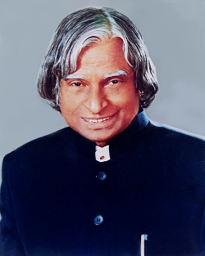
Even after serving as President, he continued visiting educational institutions, delivering lectures, and encouraging young people to ask questions, explore ideas, and work towards meaningful goals.
Why Is World Students’ Day Celebrated on October 15?
What made Dr Kalam particularly inspiring was his ability to connect with young learners. He encouraged them to dream but also reminded them that achieving those dreams required knowledge, effort, and perseverance.
For him, students were not simply preparing for examinations or careers. They were developing the knowledge, skills, and values needed to contribute to the country.
World Students’ Day Significance for Young Learners
The world students day significance goes beyond remembering an inspiring personality. It offers schools an opportunity to reflect on what education should help students achieve.
Education is not only about completing the syllabus, scoring marks, or performing well in examinations. It is also about understanding the world, developing independent thinking, and learning how to apply knowledge in everyday situations.
World Students’ Day is also a reminder that meaningful learning happens when students are active participants in the classroom. In a forward-looking learning environment, this significance is reflected in several key dimensions:
- Importance of education and curiosity: Cultivating an inquisitive mindset that motivates learners to ask "why" and "how".
- Encouraging students to ask questions: Creating open, supportive classrooms where questioning is embraced and rewarded.
- Developing creativity and critical thinking: Guiding young minds to evaluate everyday challenges and explore diverse viewpoints.
- Building confidence and responsible citizenship: Fostering strong values, empathy, and social responsibility alongside academics.
- Helping students identify and pursue their interests: Giving learners room to discover unique passions and shape ambitious aspirations.
How Young Minds Can Contribute to India’s Future
India's future will depend on people who can think critically, adapt to change, work together, and respond responsibly to emerging challenges.
Today's students will grow up in a world where technology, the environment, and society are constantly changing. To prepare them for these changes, education must go beyond textbooks and classroom learning. Schools play an important role in helping students develop the ability to observe problems, consider different perspectives, and find practical solutions.
Learning Beyond Textbooks
Textbooks provide essential knowledge, but learning becomes more meaningful when students connect classroom concepts with real-life experiences.
A lesson on plants, for instance, can become more engaging when students observe how seeds germinate. A mathematics concept becomes easier to understand when learners apply it while measuring objects or planning a simple budget.
Creativity and Innovation
Innovation does not always begin with a major scientific discovery. Sometimes, it begins with finding a better way to solve a small, everyday problem.
As technology becomes an increasingly important part of everyday life, students must also learn to use digital tools responsibly. Technology should support their understanding and creativity rather than replace independent thinking.
Responsible Citizenship
Contributing to India's future is not limited to becoming a scientist, entrepreneur, or leader. Responsible citizenship begins with everyday actions. Simple activities such as planting trees, reducing waste, supporting school cleanliness drives, or helping organise a community awareness campaign can introduce students to the importance of collective responsibility.
When schools encourage these habits from an early age, students begin to understand that their choices and actions can affect the people and environment around them.
How Schools Can Celebrate World Students’ Day
A World Students’ Day celebration does not need grand arrangements. The focus should be on giving students opportunities to think, express themselves, explore ideas, and understand the values associated with Dr Kalam's life.
Dr APJ Abdul Kalam Storytelling Session
Schools can organise storytelling sessions highlighting Dr Kalam’s journey from a young student in Rameshwaram to a scientist and President of India. Teachers can focus on qualities such as curiosity, perseverance, and dedication to learning. Illustrated stories can engage younger students, while older students can discuss the challenges he faced and lessons from his life.
What they gain: Inspiration, empathy, and understanding the power of perseverance.
Student Innovation or Science Activity
Schools can organise simple science experiments, model-making activities, or problem-solving challenges. Younger students can explore floating and sinking or build structures using blocks, while older students can create working models or suggest solutions to environmental problems. These activities encourage creativity, experimentation, teamwork, and practical learning.
What they gain: Hands-on analytical skills, inventive thinking, and collaborative teamwork.
Student Speech or Presentation
World Students’ Day is a great opportunity for students to share their ideas through short speeches or presentations on topics such as My Vision for India, What I Want to Learn, or How Students Can Make a Difference. Younger students can express their thoughts through drawings and a few sentences, while older students can deliver short presentations, helping them develop confidence and communication skills.
What they gain: Articulation, public speaking confidence, and clarity of vision.
Reading and Reflection Activity
Schools can organise reading sessions featuring age-appropriate books or stories about Dr Kalam’s life and achievements. Teachers can follow these with simple questions about what students learnt, what inspired them, and how they can apply those lessons. Students can share their thoughts through discussions, drawings, or short written reflections, making the celebration more meaningful.
What they gain: Deep reading habits, introspective thinking, and personal application.
What Students Can Learn from Dr APJ Abdul Kalam
Dr APJ Abdul Kalam's life offers several valuable lessons for students, particularly about the importance of education and personal growth.
Education creates opportunities: Dr Kalam's journey from his early education in Rameswaram to his work in science and public service demonstrates how learning can open doors to new possibilities. His achievements also reflect the importance of guidance, opportunity, and sustained effort.
Curiosity encourages discovery: His interest in science and technology highlights the value of asking questions and developing a deeper understanding of how things work.
Perseverance matters: Scientific progress often involves challenges, setbacks, and repeated attempts. Dr Kalam's professional journey shows why patience, teamwork, and the willingness to learn from difficulties are important.
Humility and respect are essential: Despite his achievements and public responsibilities, Dr Kalam continued engaging with students and sharing his knowledge. His approach reminds learners that success and humility can go hand in hand.
Goals give learning a purpose: Dr Kalam consistently encouraged young people to think about their aspirations and work towards them. His message was not simply about dreaming of success, but about developing the knowledge, discipline, and determination required to pursue meaningful goals.
Perhaps one of the most important lessons from his life is that learning should never stop. Whether students are exploring a new subject, developing a skill, or discovering an interest, every learning experience contributes to their growth.
Conclusion
World Students’ Day is more than an occasion to remember Dr APJ Abdul Kalam. It is an opportunity to recognise the potential of every learner and reflect on the role education plays in shaping individuals and society.
Dr Kalam's life continues to remind us that education is not merely preparation for a career. It is also a means of developing the knowledge, skills, and values needed to contribute meaningfully to the world.
The future of India will be shaped by the young minds we nurture today. By giving students the freedom to question, the confidence to explore, and the opportunities to learn, we help them take meaningful steps towards that future.
